
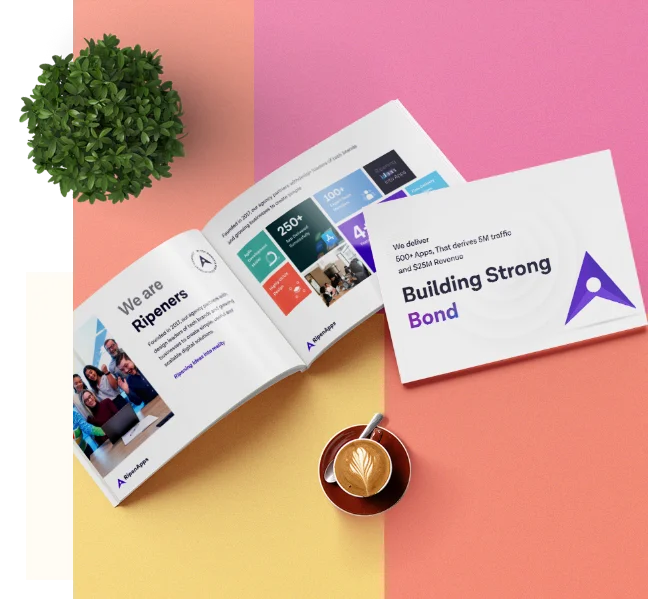

 Trusted by 500+ Global Brands
UI Design System Services for Consistent, Scalable, and High-Quality Digital Experiences
A consistent product experience starts with a strong UI design system. Without it, teams face design inconsistencies, slower execution, and repeated effort across screens and features. Our UI design system services help you build a centralized design foundation with reusable components, clear guidelines, and scalable patterns. This ensures faster design and development, consistent user experiences, and efficient product scaling across web and mobile platforms.

Apps Delivered

Client Retention

Countries


Technologies Powering Our Development Ecosystem


















UI Design Systems That Ensure Consistency and Faster Product Scaling
UI design systems help product teams maintain consistency, reduce design duplication, and speed up feature development across platforms. By creating reusable components and clear design standards, teams can design and build faster while ensuring every screen follows a unified structure. This leads to better collaboration, improved user experience, and efficient product scaling without design inconsistencies.

 Design Consistency Across Products
 Faster Design and Development Cycles
 Improved Team Collaboration
 Efficient Product Scaling
 Reduced Design and Development Effort
 Consistent User Experience
Build a Design System Your Team Can
Rely On Every Day
Stop redesigning the same elements again and again. Create a unified system that keeps your product
consistent, scalable, and easy to build.

Solving Design and Development
Challenges with Structured UI Design Systems
Many digital products face issues like inconsistent design, repeated effort, and slow development cycles. Without a structured UI design system, teams struggle to maintain consistency across screens and scale products efficiently. A well-defined design system brings standardization, improves collaboration, and ensures faster, high-quality product execution.
Different designers and teams often create UI elements without a unified standard. This leads to inconsistent layouts, styles, and user experiences across the product.
Centralized UI Design System and Component Library
We create a unified design system with reusable components, styles, and clear usage guidelines to ensure consistency across all screens.
Business Impact
Consistent user experience, stronger brand identity, and improved user trust.
Teams often redesign and redevelop the same UI elements for different features, which slows down execution and increases effort.
Reusable Components and Scalable Design Patterns
We build reusable UI components that can be used across the product, reducing duplication and improving efficiency.
Business Impact
Reduced design effort, faster development cycles, and improved team productivity.
Lack of clear design standards and documentation creates gaps between design and development teams, leading to delays and errors.
Structured Design Documentation and Handoff Systems
We ensure every component and pattern is well-documented for seamless collaboration between teams.
Business Impact
Faster execution, reduced miscommunication, and improved delivery timelines.
As products grow, maintaining consistency across new features becomes difficult without a scalable design system.
Scalable UI Design System Architecture
We design systems that support product growth and future enhancements without breaking consistency.
Business Impact
Easier product scaling, reduced redesign efforts, and consistent user experience across growth stages.
Without defined rules, teams may use components incorrectly, leading to inconsistencies and design issues over time.
Design Governance and System Guidelines
We establish clear governance practices to maintain consistency and ensure correct usage of the design system.
Business Impact
Better design control, improved quality, and long-term consistency across the product.
UI Design System Services for Modern Web,
Mobile, and SaaS Products
We provide end-to-end UI design system services that help you standardize design, build reusable components, and scale your product with consistency. Our approach ensures faster design and development, improved collaboration, and high-quality user experiences across platforms.
Custom UI Design System Development Services
We build tailored UI design systems that align with your product goals, brand identity, and user experience needs. This includes defining components, styles, and usage guidelines to ensure consistency across your product. It helps teams create a strong foundation for scalable and structured UI design.
Design System Audit and Optimization
We analyze your existing design assets, components, and workflows to identify inconsistencies and gaps. Our team refines and standardizes your system for better usability and performance. This supports UX Audit & Redesign by improving design quality and system efficiency.
Component Library Design and Management
We create reusable UI components that simplify design and development across features and platforms. These components are structured for easy reuse and scalability. This ensures faster execution and consistent UI across your product ecosystem.

Design System for Mobile and Web Applications
We design systems that work seamlessly across devices, ensuring consistent experiences on mobile and web platforms. This aligns with UX Design for Mobile Apps and responsive web design standards. It improves usability while maintaining visual and functional consistency.
Rapid Prototyping with Design Systems
We use design systems to quickly build and test prototypes, helping teams validate ideas faster. This approach supports rapid prototyping, enabling quick iterations and feedback-driven improvements. It reduces delays and speeds up product decision-making.
Design System Integration and Developer Handoff
We ensure your design system is well-documented and ready for seamless integration into development workflows. Clear guidelines and specifications help developers implement designs accurately. This improves collaboration and reduces gaps between design and development teams.
Secure, Scalable, and Standardized
UI Design System Practices
UI design systems require structured governance, consistency, and controlled implementation to ensure long-term usability and scalability. We follow standardized practices that help teams maintain design quality, protect design assets, and ensure smooth collaboration across design and development workflows.

Design Governance and Access Control
We implement clear governance models to manage how design systems are created, updated, and used across teams. Role-based access ensures only authorized contributors can modify components and guidelines. This prevents inconsistencies and maintains control over design quality as the system evolves.

Standardized Design Guidelines and Usage Rules
We define clear rules for using components, layouts, and visual styles to ensure consistency across every screen. These guidelines help teams follow a structured approach without deviation. This ensures every feature aligns with the design system and maintains a unified user experience.

Scalable Component and Token Management
We structure components and design tokens in a way that supports easy updates and scalability. Changes in styles or components reflect across the system without affecting existing designs.This allows your product to grow without breaking design consistency.
UI Design System Standards and
Compliance Coverage
UI design systems require structured governance to ensure consistency, accessibility, and controlled usage across digital products. From managing reusable components to maintaining design standards across platforms, our approach ensures your UI design system aligns with best practices, improves collaboration, and supports scalable product growth without inconsistencies.
Why Product Teams Choose RipenApps
for UI Design Systems
Product teams choose RipenApps for UI design system services to bring structure, consistency, and speed into their design and development workflows. We focus on building systems that simplify design decisions, reduce duplication, and support long-term product scalability across platforms.
Create a Design System That Scales With Every Feature You Build
Bring consistency, speed, and structure to your product with a system your entire team can rely on.
Build Your Design System in 48 hoursOur UI Design System Process from Audit to Scalable Implementation
A structured UI design system process ensures your product maintains consistency, improves collaboration, and scales without design chaos. Our step-by-step approach helps teams move from fragmented UI elements to a well-documented, reusable, and scalable design system.
UI Audit and Design Assessment
Design System Strategy and Planning
Visual Language and Style Definition
Component Library Creation
Prototyping and System Validation
Documentation and Developer Handoff
Implementation and Continuous Scaling
UI Audit and Design Assessment
We evaluate your existing UI components, design inconsistencies, and workflows to identify gaps and improvement areas.


 Sub-Processes
- Review of existing UI screens and components
- Identification of inconsistencies and design gaps
- Evaluation of design workflows and tools
- Competitor UI benchmarking and analysis
- Usability and accessibility assessment
 Deliverables & Outcomes
- UI audit report
- Design gap analysis
- Improvement roadmap for system creation
Design System Strategy and Planning
We define the structure, principles, and guidelines required to build a scalable UI design system aligned with your product goals.
Sub-Processes
- Design system architecture planning
- Definition of design principles and standards
- Component hierarchy and categorization
- Alignment with brand and product goals
- Workflow planning for design and development teams
Deliverables & Outcomes
- UI design system strategy document
- Component structure blueprint
- Design standards and guidelines
Visual Language and Style Definition
We establish a consistent visual foundation, including typography, colors, spacing, and UI elements to unify your product experience.
Sub-Processes
- Typography and color system creation
- Grid, spacing, and layout standardization
- Iconography and visual elements definition
- Accessibility and readability optimization
- Branding alignment across UI elements
Deliverables & Outcomes
- Visual style guide
- Design tokens and variables
- Standardized UI foundations
Component Library Creation
We design reusable UI components that can be used across screens and features, reducing duplication and improving efficiency.
Sub-Processes
- Creation of core UI components
- Definition of component states and variations
- Interaction and behavior design
- Component naming and structuring
- Reusability and scalability validation
Deliverables & Outcomes
- Component library
- Reusable UI elements
- Structured design system foundation
Prototyping and System Validation
We test the design system through real product flows and prototypes to ensure usability and consistency across use cases.
Sub-Processes
- Prototype creation using the design system
- Validation across multiple user flows
- Usability testing and feedback collection
- Iteration based on insights
- Cross-platform consistency checks
Deliverables & Outcomes
- Validated UI patterns
- Improved usability and interaction flows
- Refined design system components
Documentation and Developer Handoff
We document the design system with clear usage guidelines to ensure smooth collaboration between design and development teams.
Sub-Processes
- Creation of design system documentation
- Usage guidelines for components
- Developer specifications and assets
- Version control and update process
- Collaboration workflow setup
Deliverables & Outcomes
- Complete design system documentation
- Developer-ready assets and guidelines
- Improved design-development alignment
Implementation and Continuous Scaling
We support the implementation of the design system and ensure it evolves with your product as new features are added.
Sub-Processes
- Integration into product workflows
- Continuous monitoring and updates
- Addition of new components and patterns
- Performance and usability improvements
- Scaling across products and platforms
Deliverables & Outcomes
- Fully implemented UI design system
- Scalable and maintainable design structure
- Consistent user experience across the product
UI Design System Applications Across
High-Impact Industries
UI design systems help organizations maintain consistency, improve design efficiency, and scale digital products across industries. They ensure every interface follows standardized patterns, making products easier to build, manage, and evolve over time.
 Healthcare Platforms
FinTech Platforms
E-commerce and Retail Platforms
EdTech and eLearning Platforms
Logistics and Supply Chain Platforms
SaaS and Enterprise Applications
Social Media and Networking Apps
Travel and Hospitality Platforms
Media and Entertainment Platforms
On-Demand and Service Apps
Healthcare Platforms
FinTech Platforms
E-commerce and Retail Platforms
EdTech and eLearning Platforms
Logistics and Supply Chain Platforms
SaaS and Enterprise Applications
Social Media and Networking Apps
Travel and Hospitality Platforms
Media and Entertainment Platforms
On-Demand and Service Apps
Healthcare Platforms
UI design systems bring consistency to patient apps, healthcare dashboards, and management systems. They simplify complex workflows and ensure better accessibility across platforms.
- Standardized UI for patient and doctor interfaces
- Consistent layout for records and appointment systems
- Improved accessibility and usability patterns
- Structured design for multi-role applications

FinTech Platforms
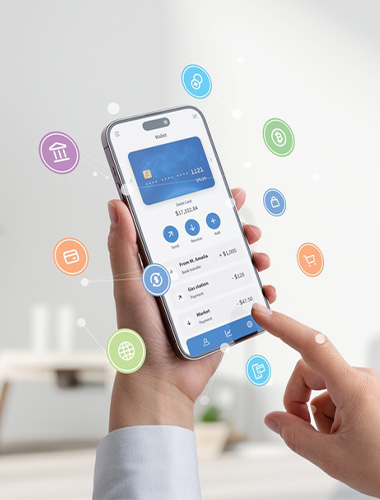
UI design systems in FinTech help standardize complex dashboards, transaction flows, and financial interfaces. They ensure consistency across data-heavy screens and improve usability for critical user actions. By aligning with AI Feature Integration, platforms can maintain a structured and scalable UI for advanced features.
- Consistent dashboard and data visualization components
- Standardized transaction and payment interfaces
- Structured UI for analytics and reporting systems
- Scalable design patterns for financial features
E-commerce and Retail Platforms
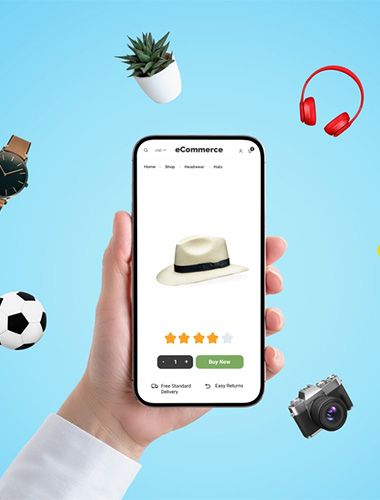
UI design systems ensure consistent product listings, checkout flows, and navigation patterns. This improves user experience and reduces friction in high-conversion journeys.
- Reusable components for product and category pages
- Standardized cart and checkout interfaces
- Consistent UI for offers and recommendations
- Scalable design for multi-device experiences
EdTech and eLearning Platforms
Design systems help organize learning interfaces, dashboards, and content structures. They ensure a consistent experience for students and educators across devices.
- Structured UI for courses and learning modules
- Consistent dashboard and progress tracking components
- Reusable patterns for assessments and content delivery
- Scalable design for growing platforms

Logistics and Supply Chain Platforms
Design systems bring clarity to complex dashboards, tracking systems, and operational workflows. They improve usability and consistency across data-heavy interfaces.
- Standardized UI for tracking and reporting
- Consistent dashboard and analytics components
- Structured layout for operational workflows
- Scalable design for enterprise logistics systems

SaaS and Enterprise Applications
UI design systems simplify complex workflows and improve consistency across multiple modules. They help teams scale features without breaking design patterns.
- Standardized UI for dashboards and workflows
- Reusable components across multiple features
- Consistent interaction patterns for enterprise users
- Scalable design for large systems

Social Media and Networking Apps
Design systems help maintain consistency across feeds, messaging, and engagement features. They ensure smooth user interaction and scalable UI patterns.
- Consistent UI for feeds and content interactions
- Standardized messaging and notification components
- Reusable patterns for user profiles and activity
- Scalable design for engagement features

Travel and Hospitality Platforms
UI design systems ensure consistent booking flows, search interfaces, and user interactions. This improves usability across multi-step journeys.
- Standardized UI for booking and reservation systems
- Consistent search and filter components
- Structured layout for itinerary management
- Seamless experience across platforms

Media and Entertainment Platforms
UI design systems ensure consistent content discovery, playback, and user interaction experiences. They support scalability across multiple devices and formats.
- Reusable UI for content browsing and playback
- Consistent layout for media categories
- Standardized interaction patterns for users
- Scalable design for multi-platform delivery

On-Demand and Service Apps
UI design systems streamline booking, tracking, and service interaction interfaces. They ensure consistent experiences across real-time user journeys.
- Standardized UI for booking and scheduling
- Consistent tracking and status components
- Reusable patterns for service interactions
- Scalable design for mobile-first platforms

Tools and Technologies for
Scalable UI Design Systems
Building a scalable UI design system requires the right combination of design tools, component frameworks, and collaboration platforms. Our technology stack ensures consistency, reusability, and seamless integration between design and development, helping teams maintain structured and efficient workflows across web, mobile, and SaaS products.
 Figma
Figma
 Sketch
 Adobe XD
 InVision
 Figma Libraries
 Zeroheight
 Storybook
 Abstract
 React.js
 Angular
 Vue.js
 Material UI
 Bootstrap
 Style Dictionary
 Sass
Sass
 CSS Variables
 Tailwind CSS
 Zeplin
 Avocode
 Notion
 Confluence
 BrowserStack
 Percy
Percy
.svg) Jest
Jest
 Cypress
 GitHub
 Bitbucket
 CI/CD Pipelines
Hungama
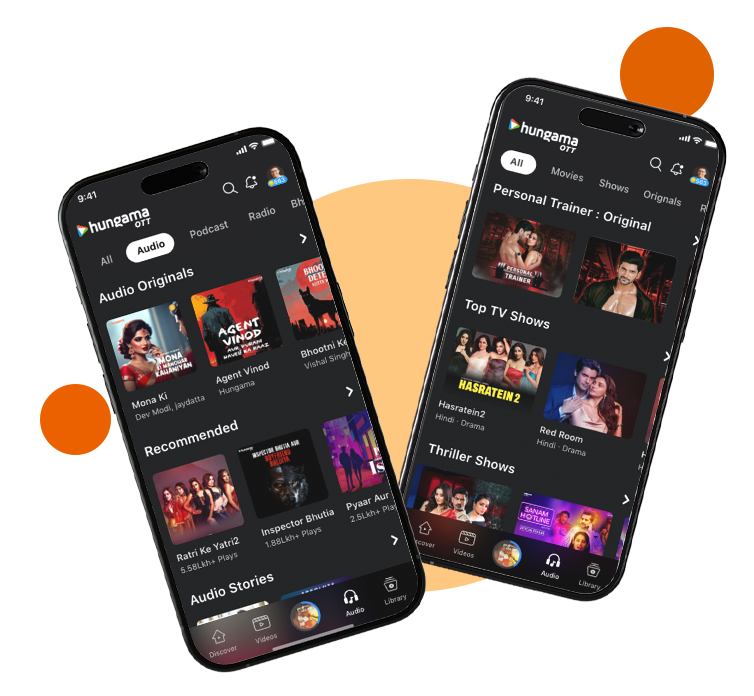
We engineered a high-performance, unified digital ecosystem for Hungama, integrating a massive library of 30M+ songs, 8,000+ movies, and exclusive originals into a single, seamless interface. By deploying an AI-driven recommendation engine and adaptive bitrate streaming (ABR), we ensured buffer-free playback and personalized content discovery for over 50 million monthly active users.

eGurukul
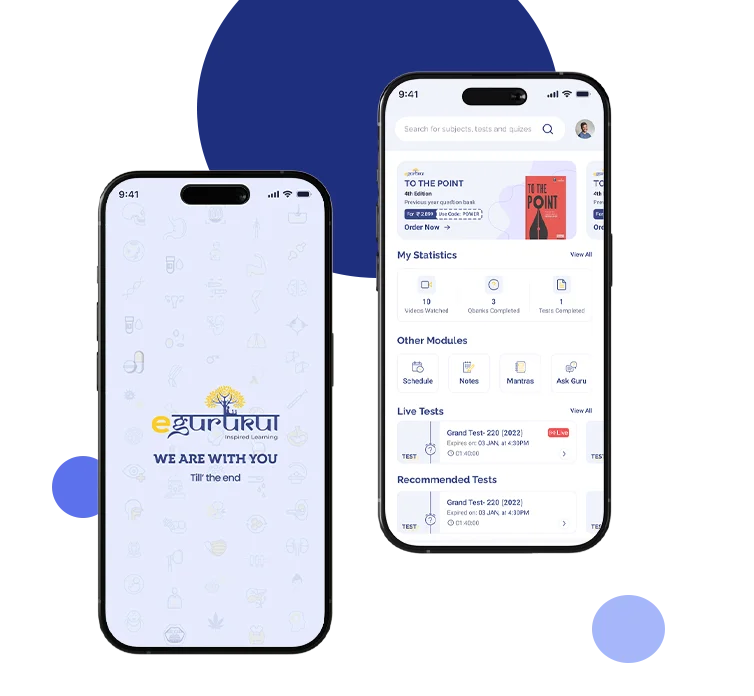
eGurukul is a premier EdTech ecosystem engineered to provide a learning experience for 5 lakh+ students preparing for elite exams like NEET-PG, INI-CET, and FMGE. The platform serves as a comprehensive "Digital Institution," offering 1,000+ hours of clinically integrated video lectures, a massive bank of 35,000+ syllabus-aligned MCQs, and real-time community engagement tools.

Al Muzaini
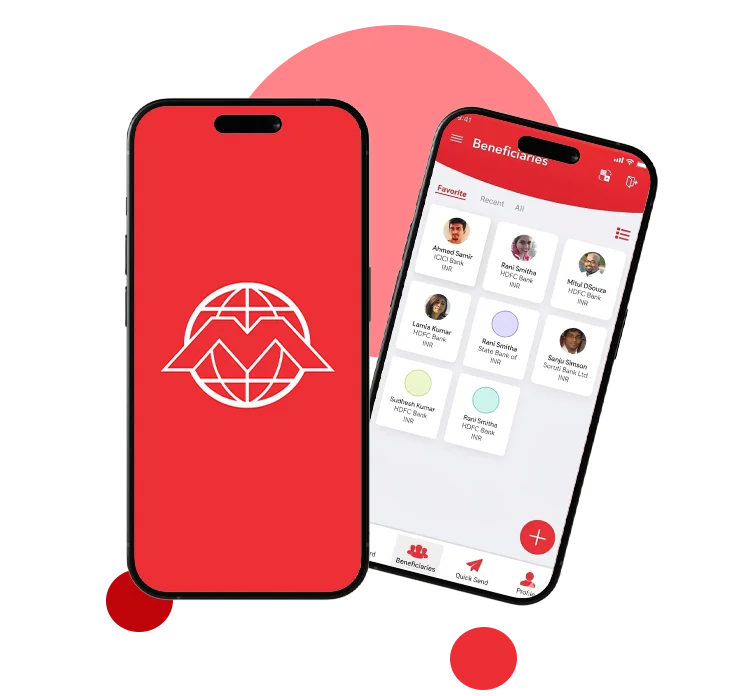
We engineered a high-concurrency FinTech platform for Kuwait’s leading exchange, A Muzaini, integrating 3-factor biometric authentication and AI-powered KYC for instant onboarding. By synchronizing high-speed APIs with Western Union, the ecosystem facilitates 24/7 real-time transfers across 200+ countries for 100,000+ users, ensuring 100% financial compliance and native-grade fluidity.

Cobone
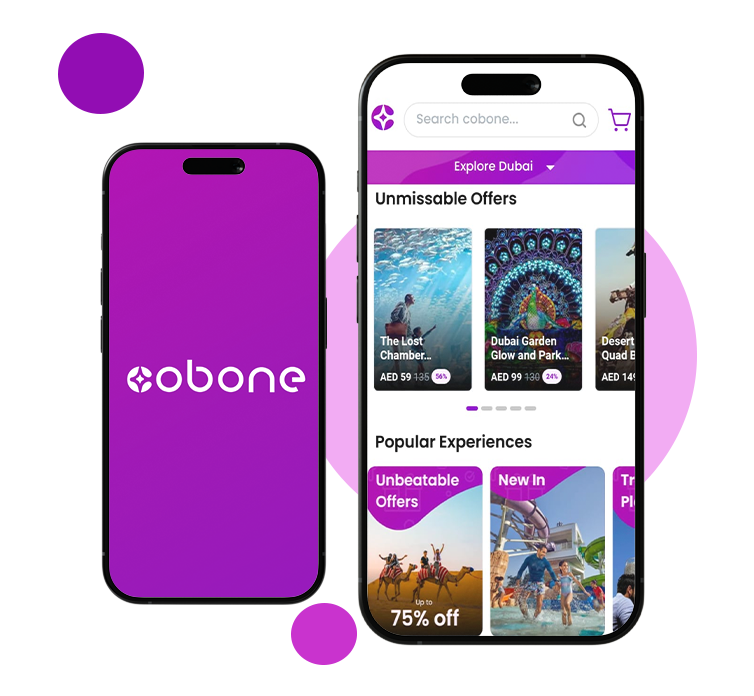
We engineered a high-velocity retail platform for Cobone, utilizing a unified React Native architecture to achieve 100% logic parity. The ecosystem integrates a geo-fencing API for real-time discovery across 20+ categories, serving 4 million+ users with secure, multi-currency payment gateways. This digital asset empowers users to access lifestyle experiences with native-grade fluidity and enterprise-level transaction security.

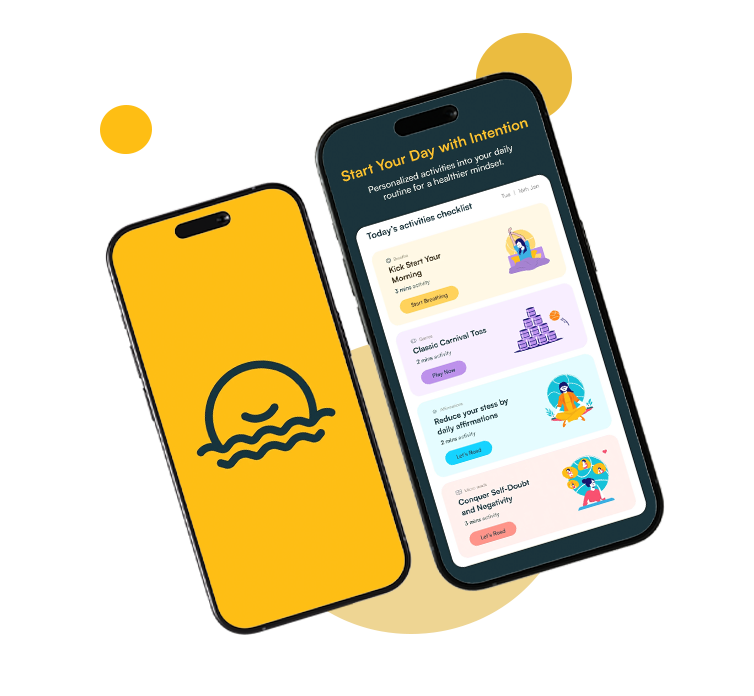
Mind Alcove
We engineered Mind Alcove as a secure, biometric-locked digital sanctuary that synchronizes multi-format journaling with a real-time "Mood-o-meter" tracking engine. Our scalable architecture facilitates a moderated, anonymous community, ensuring 100% data privacy. By integrating evidence-based mindfulness tools into a high-velocity mobile interface, we transformed a personal journaling concept into a robust, community-driven mental health asset.


"We chose RipenApps to modernize our enterprise remittance platform from start to finish. Their team’s financial expertise and commitment to security were world-class from the very first call. They were always responsive to our complex requirements, delivering a final FinTech product that significantly exceeded our expectations for Kuwait’s market."

"We partnered with RipenApps to architect our MENA retail ecosystem from start to finish. We were very impressed with their technical professionalism and ability to handle massive traffic spikes. Their team delivered a top-notch cross-platform product that exceeded our expectations, driving higher conversion rates and seamless user engagement."

"Mind Alcove requires absolute trust, and RipenApps delivered a biometric-secured environment that balances deep emotional analytics with total anonymity. Their ability to turn complex sentiment analysis into an intuitive UI allows us to foster a supportive community. They are an essential partner for any high-fidelity mental wellness asset."

"Scaling a platform for 50M+ users requires an engineering partner with deep expertise in concurrency. RipenApps optimized our massive content library into a high-velocity streaming experience that feels native across every device. Their work on adaptive bitrate logic was a critical driver for our sustained long-term user retention."

"Transitioning our 25-year medical coaching legacy into a global EdTech leader was a massive undertaking. RipenApps built a digital institution for our 4.8L students, flawlessly integrating high-security video modules and real-time mock tests. We finally have a robust, scalable platform that matches the elite quality of our coaching."
Flexible Engagement Models for UI Design System Services
We offer flexible engagement models to help you build, scale, and manage UI design systems based on your product needs, timelines, and team structure. Each model ensures structured execution, clear collaboration, and consistent design outcomes.

Dedicated UI Design System Team
A full-time team works exclusively on your UI design system, handling everything from audit to implementation and scaling. This model suits products that need a continuous design system evolution and long-term consistency. You get focused expertise, faster execution, and complete alignment with your product roadmap.

Project-Based UI Design System Development
This model fits businesses that need a complete UI design system built within a defined scope and timeline. We handle end-to-end system creation, from audit to delivery, based on your requirements. It ensures structured delivery with clear milestones and predictable outcomes.

On-Demand Design System Support and Optimization
Get expert support to improve or scale your existing UI design system without committing to a full-time team. We help refine components, fix inconsistencies, and enhance system usability. This model works well for ongoing improvements and performance optimization.
Awards & recognitions
Recognized by world-class brands as a purpose-driven digital tech partner.







Frequently Asked
Questions
Find answers to common questions about our UI Design Sysrtem Services.
Didn't Find What You Were Looking For?
Share your requirements with our experts and get tailored solutions for your business needs.
Talk to an ExpertA UI design system is a collection of reusable components, design standards, and guidelines that ensure consistency across your product. It helps your team design and build faster while maintaining a unified user experience across all screens and platforms.
A structured design system reduces repetitive work by providing reusable components and predefined patterns. It also helps teams stay aligned with evolving UI design trends , ensuring new features are added quickly without redesigning from scratch while maintaining consistency and supporting efficient product scaling.
UI design system services include UI audit, component library creation, visual style definition, design tokens, documentation, and developer handoff. These elements ensure your system is scalable, reusable, and easy to implement across teams.
UI-UX design services focus on creating individual screens and user journeys, addressing both visual design and user experience. This also reflects the difference between UI and UX design , where UI focuses on interface elements and UX focuses on overall usability and flow. A UI design system, on the other hand, provides a standardized framework that guides how these designs are created. Thus, ensuring consistency and efficiency across the entire product.
The timeline depends on your product complexity and requirements. A basic system can take a few weeks, while a comprehensive and scalable UI design system may take several weeks with continuous improvements over time.
Yes, a well-structured UI design system is designed to work across web, mobile, and SaaS platforms . It ensures consistent design patterns and user experiences while adapting to different screen sizes and devices.
A UI design system provides clear guidelines, reusable components, and shared resources. This helps designers and developers stay aligned, reduces confusion, and ensures smoother communication during product development.
Yes, existing design systems can be audited and optimized to fix inconsistencies, improve usability, and scale with new features. Using the right design tools also helps streamline updates, maintain consistency, and ensure the system evolves smoothly as your product grows.
RipenApps focuses on building product-driven UI design systems that align with your business goals and user needs. The team ensures structured design, seamless developer handoff, and scalable systems that support long-term growth.
Yes, RipenApps offers continuous support to refine, update, and scale your UI design system as your product grows. This ensures your system remains relevant, consistent, and aligned with evolving product requirements.
Typically, onboarding takes 1–2 weeks, depending on your infrastructure complexity, after which continuous monitoring and optimization begin immediately.
The cost depends on your infrastructure size, complexity, and level of ongoing support required. In general:
- Small setups: $5,000 – $15,000 per month
- Mid-scale systems: $15,000 – $40,000 per month
- Enterprise-level infrastructure: $40,000+ per month
This ensures continuous monitoring, optimization, and support aligned with your operational needs and business growth.
Discuss your project and
request for proposal
Whether you have a spark of an idea or a fully fleshed-out concept, our team is ready to help you bring it to life. Get in touch with us today.

 India
India
H-143, 2nd floor, Sector 63, Noida, Uttar Pradesh 201301, India
 USA
USA
3410 E Ontario Ranch Rd Ste 4 #1023 Ontario, CA 91761 United States
 Australia
Gateway Blvd, Epping VIC 3076 Melbourne, Victoria, Australia
 Canada
350 Bay St, Toronto, ON M5H 2S6
Canada
 UK
UK
Rainsford Rd, Park Royal, NW10 7FW London,United Kingdom
 UAE
UAE
302, Fikree Building Bur Dubai 31219 (Near UK Embassy), UAE